
Does DPF Removal Improve Performance?
Diesel Particulate Filter (DPF) is an important part of these engines that can be found in practically all diesel engines, among a plethora of other components. But why do people get DPF removal?…
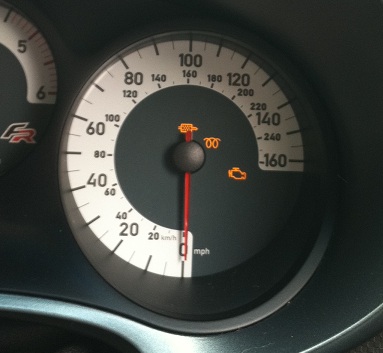
Diesel Particulate Filter (DPF) is an important part of these engines that can be found in practically all diesel engines, among a plethora of other components. But why do people get DPF removal? Here at ECU Flash, we complete legal procedures on vehicles to improve performance and overall driving experience. And, this is no exception for DPF delete. Find out all you need to know here.
What is a DPF?
Diesel Particulate Filter (DPF) traps particulate matter (PM) in exhaust gases and prevents it from entering the atmosphere. As a result, diesel vehicle emissions are lowered. This is critical, particularly for better and healthier city life. DPFs must meet European emission regulations to reduce CO2 emissions and improve air quality. As a result, this filter is found in practically every car we drive today.
However, often a DPF can limit a vehicle and its performance. At a certain point, all DPFs will need to be deep-cleaned; emptying any clogged soil and other dirt that has accumulated inside. Or, replacing the compartment might be an alternative.
But what about completely abolishing the DPF? A DPF delete kit will remove this and configure the computer system without the DPF. While there are a plethora of kits available, any DPF removal requires two major components: the exhaust and the tuner. While the tuner disables the vehicle's regeneration mode and ensures that no additional engine codes appear, the exhaust is used to physically replace the DPF.
What is the DPF Removal Process?
The internal filter is normally removed from the exhaust system, leaving the outer casing in place. The method begins with the vehicle's exhaust system being disassembled. The internal filter is then removed after a small window is cut on the top of the engine facing side of the DPF canister. The window is welded back into place when the internal filter is removed, and the DPF canister and exhaust system are reinstalled on the car.
The ECU (Electronic Control Unit) is then remapped, once the actual filter is removed, and any DPF-related structures are removed from the vehicle's software. This will prevent the car from detecting the missing filter, as well as future DPF regeneration and warning lights linked to the DPF.
What Are the Benefits of DPF Removal?
There are many benefits to the process of DPF removal. Regarding performance, DPF removal increases the level of horsepower. Removing the DPF is the simplest and most reliable approach to boosting your engine's horsepower. Because it can clog up, the DPF reduces the engine's overall power and performance, delays the exhaust process, and creates substantial annoyance as a result.
Without it, the air flows back into the engine better and faster, resulting in increased pressure and power generation. So for those wanting faster speeds, DPF removal may be for you. This is also key in trucks and tractors that require larger and more powerful engines.
Also, replacing the DPF can be costly. So, if something goes wrong and another system is required, this will start to total up. However, you can eliminate this potential problem by removing the DPF altogether. The same goes for long-term care. Having no DPF means that you will need no maintenance checks on the system and can drive in peace without this worry.
Our Services
Here at ECU Flash, our specialists have years of experience with remapping engines, speed limiters and DPF removal. Our experts fully understand the regulations against removing these parts, making sure all procedures are within the law. For more information, or to arrange a date for us to remap your ECU, why not fill in our online form? One of our team will shortly be in touch to see how we can help you. You can also find us on Facebook.
ECUFLASH
ECU Remapping & Diagnostics
Tell us about your vehicle online or call our team for advice.