
Vehicle GuidesBy ECUFLASH
When To Perform An Engine Tuning
Different vehicles have different recommended periods between Engine Tuning . Tuning should be performed on most older cars every 10,000 to 12,000 miles or once per year, whichever comes first. These
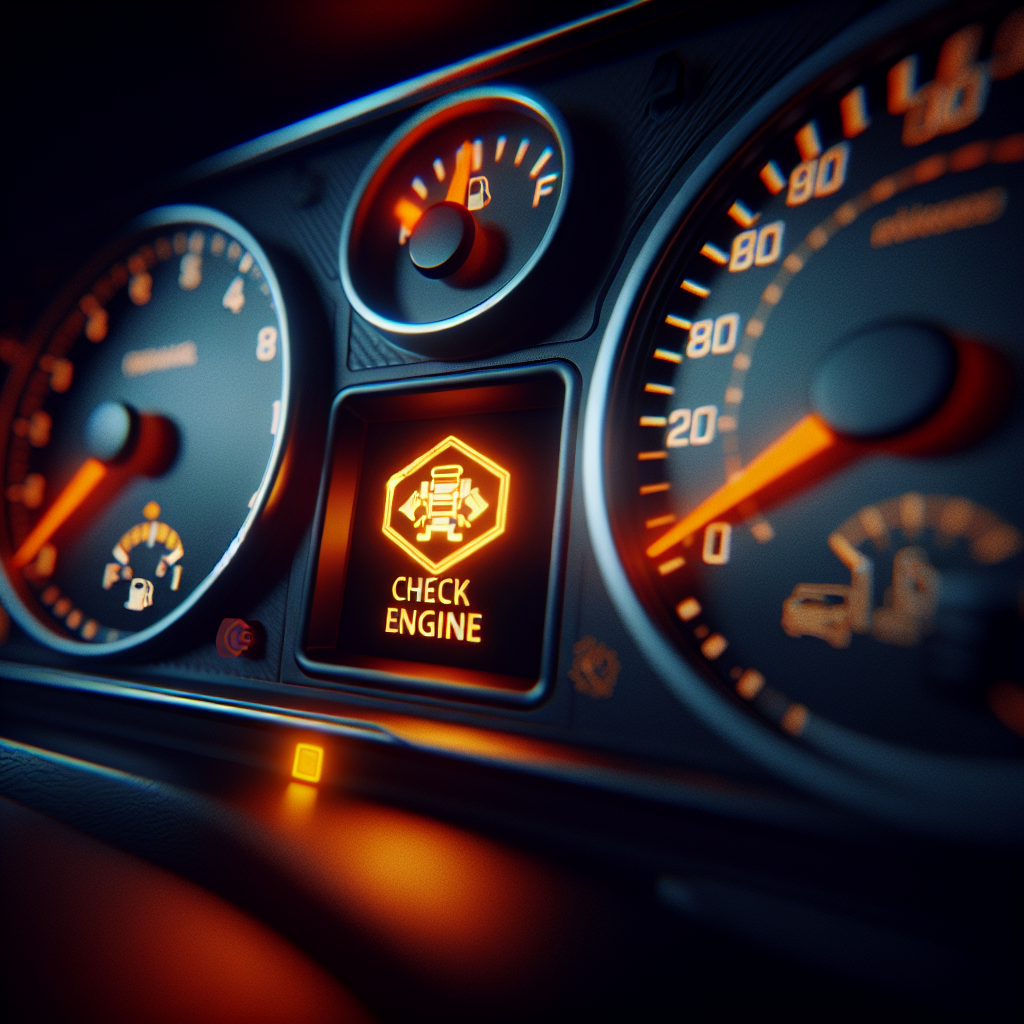
Different vehicles have different recommended periods between Engine Tuning. Tuning should be performed on most older cars every 10,000 to 12,000 miles or once per year, whichever comes first.
These vehicles do not have electronic ignitions. Modern automobiles equipped with electronic ignition and fuel injection systems are expected to go anywhere from 25,000 to as much as 100,000 miles without requiring a significant tune-up.
Engine Tuning is maintenance performed on motor vehicles
A vehicle's engine is inspected as part of the procedure known as "tuning up," which may entail the replacement of components such as spark plugs or wires. In addition, it involves cleaning the air filter and altering the settings of the other members so that they all operate together well. This service will help to ensure that all of the moving parts of your car continue to work without a hitch and prevent you from having to pay for costly repairs in the future.In general, the following is what you may anticipate getting from a tune-up service:
- Spark plugs: A well-maintained engine ought to have spark plugs with insulators with firing tips that are either a light tan or a gray color.
- Conduct a performance evaluation by noting the color of the spark and determining whether or not it is effectively igniting the fuel.
- The wires should not be brittle or damaged in any way.
- The fuel pump and the fuel filter should be checked to ensure that the fuel pump is working correctly and that the fuel filter is clean.
- Check the fuel injectors to ensure that dirt or other deposits are not limiting the quantity of gasoline being given to the engine, and check the spark plugs to ensure that no buildup is reducing their effectiveness.
- Timing—The timing of the engine, as well as the idle speed, may be modified as needed.
- PCV—it should not be blocked, and it should not be leaking.
- Check the points and the condenser to ensure that they are kept clean.
Warning Signs You Need an Engine Tuning
1. Stalling
Having your vehicle stall once may not seem like a huge issue, but picture it happening when you need it going, like on the highway or at a busy crossroads.2. Decreased Fuel Mileage
Even if your car doesn't have an MPG gauge, you should be able to tell that your fuel economy is becoming worse if you've been driving it for a time.3. The Dashboard Lights Come On
The owner's handbook for your vehicle might help you decipher the meaning of any unusual dashboard lights. Then give us a ring and schedule an inspection and adjustment.4. Difficulty Starting The Engine
Starting troubles may indicate various issues, many of which can be avoided (or at least discovered) with a preventative tune-up.5. Weird Or New Noises
While on the road, did you notice any unusual sounds coming from your car? While it's possible that some of these sounds are entirely innocuous, they might also be warning signs of a significant issue with your car.6. You Can Feel Unusual Vibrations
When driving on a paved road, it is not typical for a vehicle to begin vibrating. This suggests an underlying issue inside the system.7. Leaning steering
If you take your hands off the wheel, the logical path for your car is straight. If it doesn't, that's a poor sign for your gas mileage and handling abilities since it suggests your wheels aren't correctly aligned. Correct it quickly; wheel alignments are usually part of tune-ups.8. Diminished Braking Capacity
When you notice a decline in braking effectiveness, you may already be in a dangerous situation. Therefore, it's essential to get your automobile serviced regularly.9. Your Engine Is Misfiring
If one or more of your engine's cylinders fails to provide power, you'll experience a loss of acceleration and a shaky ride; if more than one cylinder is malfunctioning, you won't be able to drive at all.10. Car Overheats
Schedule frequent tune-ups to check for concerns like:- a broken thermostat
- coolant difficulties
- or a non-functional radiator or water pump
ECUFLASH
ECU Remapping & Diagnostics
Tell us about your vehicle online or call our team for advice.