
Everything you Need to Know About AdBlue
If you drive a diesel vehicle, you'll have probably already heard about AdBlue. In cars and vans that have AdBlue, there is a small light on the dashboard that looks different for some people , but…
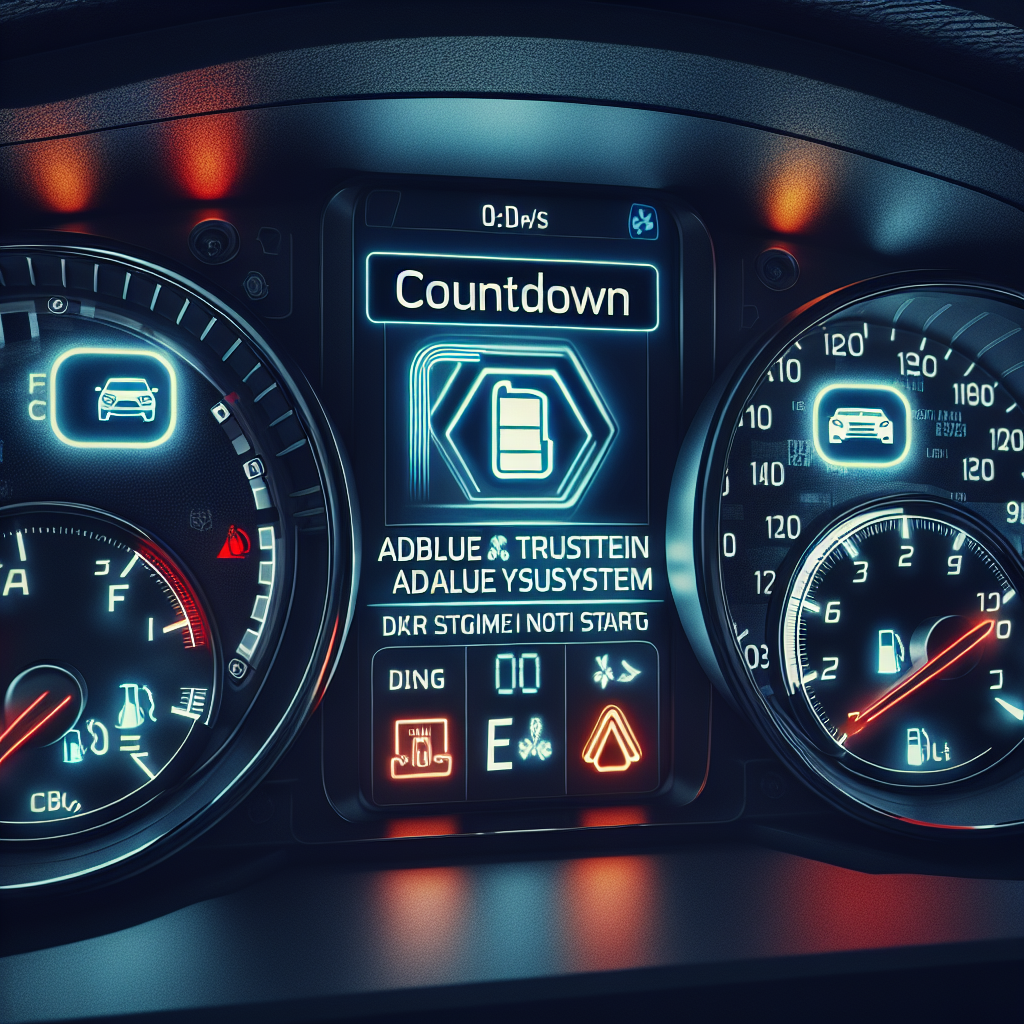
If you drive a diesel vehicle, you'll have probably already heard about AdBlue. In cars and vans that have AdBlue, there is a small light on the dashboard that looks different for some people, but it often looks like a small bottle pouring liquid. This AdBlue warning light pops up when you're running low, but there's no need to panic. We're here to explain everything you need to know about AdBlue, from how to repair and refill your AdBlue to how you can remove it...
By implementing an engine remap, specialist ECU services can remove your AdBlue completely, which is recommended for off-road vehicles and those being exported outside of the EU. Remapping your engine can increase your fuel economy, with custom software programming allowing the AdBlue system to run, but preventing the warning light from appearing. Want to find out more about AdBlue? Read our article below.
What Is AdBlue?
AdBlue is a substance made from water and a non-toxic element called urea (32.5% urea and 67.5% water). AdBlue is a brand of these fluids used in selective catalytic reduction. It is stored in a tank in diesel vehicles and is injected into the exhaust, where a chemical reaction takes place to convert nitrogen oxide (NOx) gases into nitrogen and water. Diesel vehicles made after 2006 usually implement AdBlue into the exhausts, with a little AdBlue filler cap on the tank so it can easily be filled up.
AdBlue is used to reduce the harmful emissions that larger diesel vehicles such as trucks produce, helping to decrease pollution levels. Diesel engines are one of the worst combustion engines for carbon emissions, so in order to keep harmful gases to an absolute minimum, AdBlue is needed. If you encounter AdBlue problems, you should contact a specialist as soon as possible.
What is a Selective Catalytic Reduction System?
A selective catalytic reduction (SCR) system is present in all diesel cars and vans made after 2014. The system works to inject AdBlue into the exhaust, which sprays directly onto the harmful exhaust fumes. This reduces the amount of NOx in the emissions. This advanced pollution control technology allows diesel cars to reduce their carbon footprint, and is heavily encouraged.
Drivers must always ensure that they have sufficient enough AdBlue in their vehicles, otherwise, they could encounter serious problems. Therefore, drivers should look out for their AdBlue light flashing on their dashboard...
What Can I Do When My AdBlue Warning Light Flashes?
As soon as you notice your AdBlue warning light appear on your dash, don't panic straight away. Diesel vehicles that show the warning light will still be safe to drive for around 1500 miles, but you should still get the problem dealt with sooner rather than later. The AdBlue tank is fitted with a sensor that detects when it is running low, so will notify the driver with plenty of time to spare. Those 1500 miles can catch up quickly, so make sure you fill up your AdBlue system whenever you find a chance.
AdBlue problems can be pesky, and can make drivers worry that their vehicle will break down. By topping up your AdBlue system, you don't have to panic. There are qualified ECU services who can help you repair your system, ridding your dashboard of the AdBlue warning light and getting you back on the road. Depending on the size of your AdBlue tank, cars can run from between 3,000 to 12,000 miles; your tank can be topped up during your annual service at a garage, but if you cannot wait, contact a professional today.
Can I Repair or Remove My AdBlue?
Most AdBlue problems can be solved onsite by performing a simple engine remap. By implementing custom software programming, you can prevent your vehicle from going into "limp mode" from AdBlue faults. This stops the AdBlue warning light from lighting up, and is fully road-legal as the system still runs. Don't worry, you will still be aware of when your AdBlue is going to run out, and you won't break down!
If your AdBlue system is causing significant problems, it can be removed altogether, but only in certain vehicles. If you want to improve the fuel efficiency of an off-road vehicle, turning off AdBlue is recommended. The DVSA perform roadside checks on diesel vehicles to see if they have an AdBlue system running, and you could receive a fine if you are using your AdBlue-free vehicle on UK roads. If you're still unsure, get in touch with AdBlue professionals today.
ECUFLASH
AdBlue Removal & Programming
Tell us about your vehicle online or call our team for advice.