
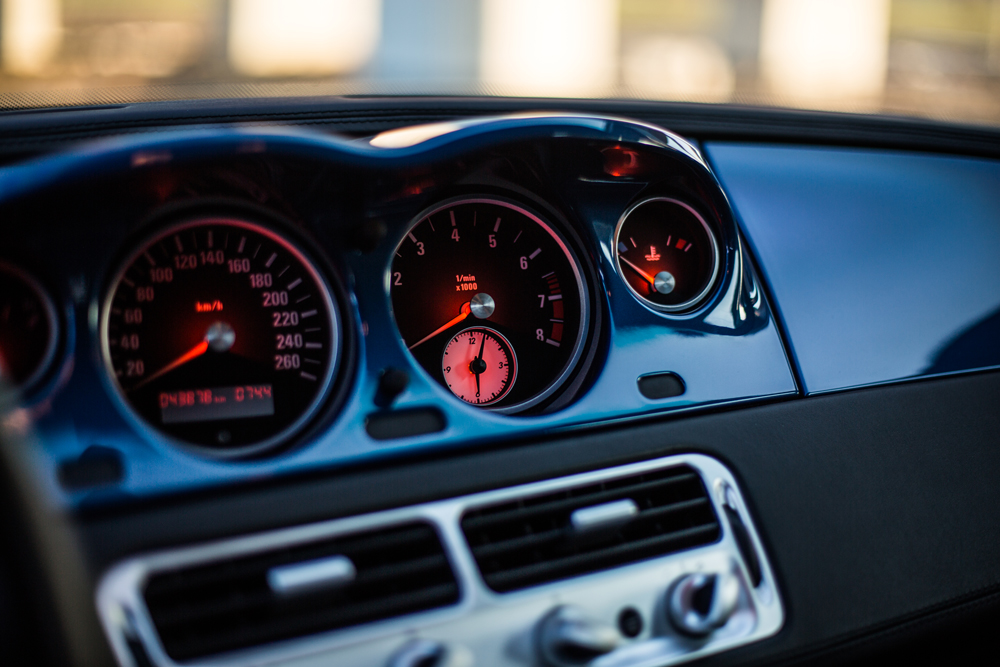
How Speed Limiter Works?
Thanks to a device called a speed limiter, peak speeds are already out of reach for practically all vehicles on the road. A Speed limiter is also often named a “governor,”. You can maintain the limit without checking your speedometer with a speed limiter. So it becomes almost impossible for the driver to break the speed rules. And it’s good; in addition to the police taking action because of your speed, it could also be risky for other road users. With the push of a button or a flick of a stalk, you can turn on and off the limiters in automobiles. Of course, they restrict your car’s top speed, but only for the time span, you have set the limitation to. Let’s see how a speed limiter works.
How Speed Limiter Works
While you’re driving, several sensors measure your speed. The engine’s computer receives the data from these sensors. The engine’s computer controls almost all of its operations.
The computer intervenes when you reach a certain top speed. At this moment, it limits fuel and airflow to the engine. It also inhibits the sparks that ignite combustion. In any case, you won’t be able to go faster than the vehicle’s manufacturer-specified top speed.
Which types of cars have speed limits?
They are needed on some business vehicles and mopeds in many nations.
In 2011, the US National Highway Traffic Safety Administration started investigating whether heavy-duty vehicles should be required to have speed limiters.
Regarding passenger cars, each one is different. The typical top speed for economy cars is 110 miles per hour (177 kilometers per hour). While sports vehicles, especially those made in Europe, have a tendency to have significantly higher speed limits.
How the speed limiter works in each type of car differs.
What are the different kinds of speed limiters?
- Adjustable speed limiter
The most popular type is by far an adjustable speed limiter. Most automobiles come with it as standard equipment.
The limit is adjusted by the user; you decide what the top speed is and then proceed to drive normally. Even if you keep lightly depressing the accelerator after the car reaches that speed, it won’t move any faster.
The limiter will continue to function while you speed up and slow down in traffic, but you’ll need to alter it if the speed limit changes. If you need to accelerate quickly, you can also bypass the speed limits by applying heavy pressure to the accelerator.
- Intelligent speed limiter
On some models, some manufacturers give customers the choice of a more sophisticated technology that connects the speed limiter to a camera that can detect speed limit signs. The limiter is modified when your vehicle enters a zone with a variable speed limit.
You will still need to pay attention because there is no absolute guarantee that the cameras will detect every sign. Additionally, there have been complaints of similar systems misinterpreting other signs as speed limits, such as those that display a commercial vehicle’s top speed on the back.
Why limit yourself?
We explained how a speed limiter works in a vehicle. But still, if you think of it as a headache, you can remove it. Our experts in ECU Flash will help you safely remove the speed limiter.
