
Is Engine Remapping Right for You?
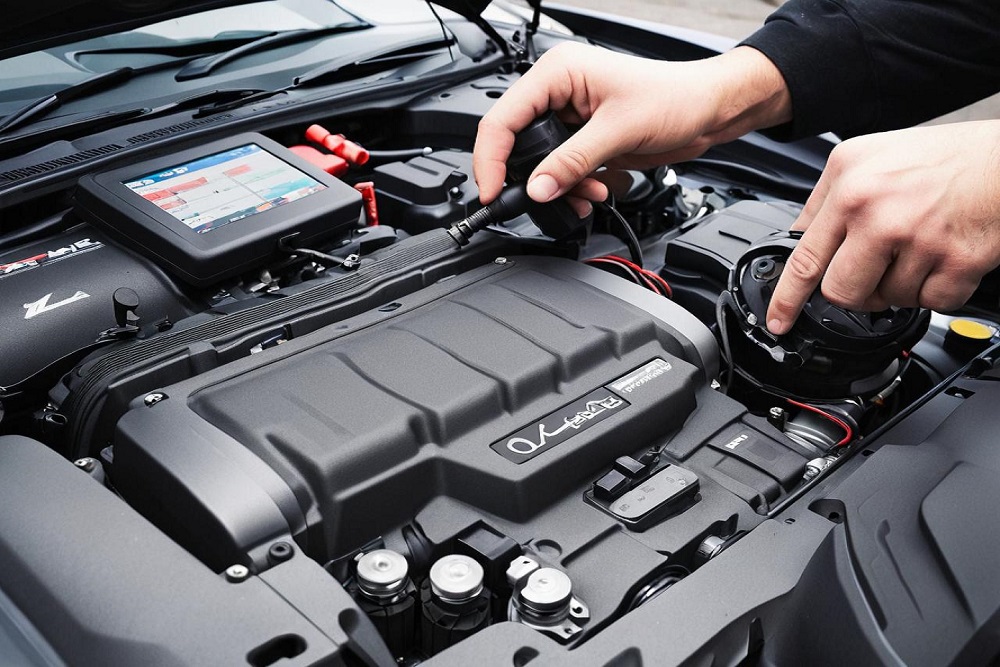
Engine remapping, also known as ECU (Engine Control Unit) tuning, has become increasingly popular among car enthusiasts and everyday drivers looking to enhance their vehicle’s performance. Remapping can boost power, improve fuel efficiency, and offer a smoother driving experience by adjusting the software that controls your engine. However, it’s not a one-size-fits-all solution. Here’s a detailed look at whether engine remapping is suitable for you.
What is Engine Remapping?
Engine remapping involves reprogramming the ECU, which manages various engine functions such as fuel injection, ignition timing, and turbo boost pressure. By altering these settings, remapping can optimise engine performance to meet specific needs or preferences.
Benefits of Engine Remapping
- Increased Power and Torque:
- Performance Gains: One of the main reasons people opt for remapping is to increase horsepower and torque. This can make your vehicle more responsive and enjoyable to drive.
- Improved Fuel Efficiency:
- Eco-Tuning: Remapping can also improve fuel efficiency by optimising the air-fuel ratio and ignition timing, leading to lower fuel consumption and cost savings.
- Enhanced Drivability:
- Smoother Operation: A well-tuned engine can offer a softer, more refined driving experience with better throttle response and reduced turbo lag.
- Customisation:
- Tailored Performance: Remapping can be customised to suit your driving style and needs, whether you’re looking for more power for racing or better fuel efficiency for daily commuting.
Considerations Before Remapping
- Vehicle Condition:
- Engine Health: Ensure your engine is in good condition before considering remapping. The increased demands on the engine could exacerbate any underlying issues.
- Warranty and Insurance:
- Warranty Voidance: Remapping can void your vehicle’s warranty, as manufacturers may not honour repairs on modified engines.
- Insurance Implications: Check with your insurance provider if remapping affects your policy. Some insurers may increase premiums due to the enhanced performance.
- Legal and Environmental Regulations:
- Emissions Compliance: Remapping can impact your vehicle’s emissions. Ensure that any modifications comply with local environmental regulations to avoid fines and penalties.
- Cost:
- Initial Investment: While remapping can lead to long-term savings, there’s an upfront cost involved. Prices vary depending on the complexity of the tune and the tuner’s expertise.
- Professional Tuning:
- Quality of Service: Always choose a reputable and experienced tuner. Poor-quality remapping can damage your engine and reduce reliability.
Who Should Consider Engine Remapping?
- Performance Enthusiasts:
- Maximising Power: If you’re passionate about getting the most out of your vehicle’s performance, remapping can offer significant gains in power and responsiveness.
- Daily Commuters:
- Fuel Savings: Remapping focused on fuel efficiency (eco-tuning) can provide substantial savings over time for those who drive long distances regularly.
- Towing and Hauling:
- Increased Torque: Remapping can increase torque if you use your vehicle for towing or hauling heavy loads, making these tasks more accessible and more efficient.
Who Should Avoid Engine Remapping?
- Warranty-Conscious Owners:
- Warranty Concerns: If maintaining your vehicle’s warranty is a priority, remapping might not be the best option since it can void the manufacturer’s warranty.
- Novice Drivers:
- Complexity and Risks: For those unfamiliar with vehicle modifications and tuning, the complexity and risks involved with remapping might outweigh the benefits.
- Strict Emissions Areas:
- Regulatory Compliance: Remapping might cause your vehicle to fail emissions tests in regions with strict emissions regulations, leading to legal issues and fines.
Conclusion
Engine remapping offers numerous benefits, including increased power, fuel efficiency, and drivability. However, weighing these advantages against potential drawbacks such as warranty voidance, insurance implications, and legal compliance is essential. Remapping could be a worthwhile investment if you’re a performance enthusiast, a daily commuter looking for fuel savings, or someone who frequently tows heavy loads. Conversely, if you’re concerned about maintaining your warranty, live in an area with strict emissions regulations, or are unfamiliar with vehicle modifications, you might think twice before proceeding. Always consult a professional tuner to ensure you make an informed decision that aligns with your needs and circumstances.
