
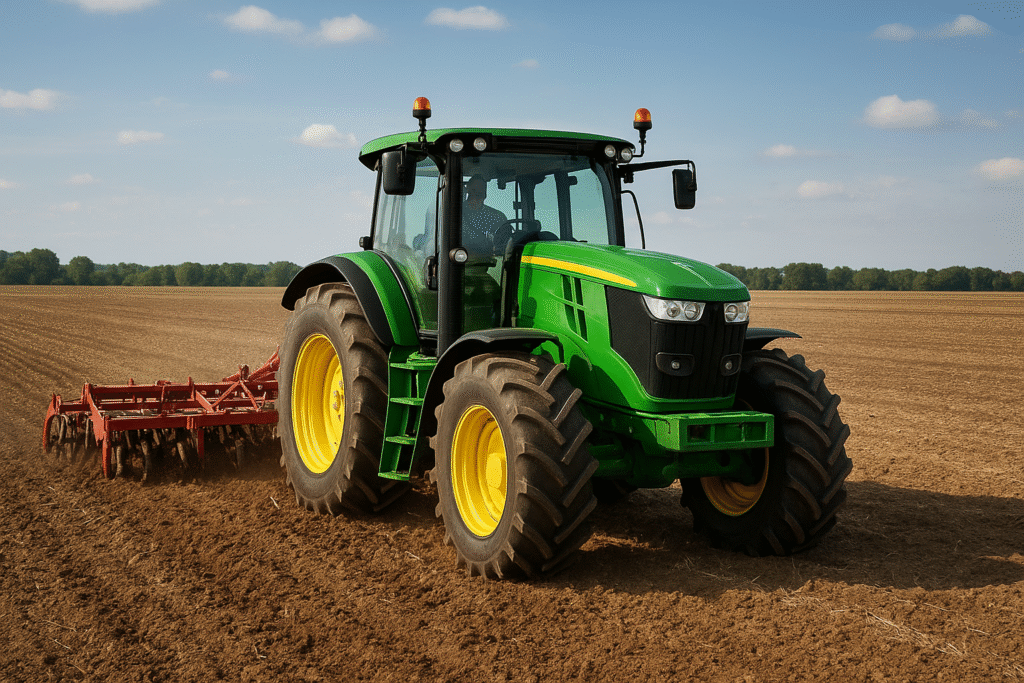
How does Tractor Remapping improve efficiency during field work?
Modern day farming demands more than just reliable machinery, it requires efficiency, precision, and cost-effectiveness as being a successful farmer in this day is incredibly tough. One of the technologies that is becoming more popular in the agricultural sector is tractor remapping, also known as ECU remapping. This is done by optimising the tractor’s engine software, which allows farmers to achieve better performance, fuel saving, and smoother operation in the field. Let’s break down how remapping improves efficiency during field work.
Unlocking Engine Potential
Every modern tractor is fitted with an ECU that controls how the engine operates. It controls the fuel injection timing, air intake, and torque delivery. Manufacturers often set conservative parameters to suit a wider range of conditions and meet emissions standards globally. So, by remapping, these parameters are fine-tuned for specific use cases, such as heavy field work. This means the tractor can deliver power more effectively when pulling equipment, cultivating, or ploughing. The result is less strain on the engine and faster completion times.
Improved Fuel Efficiency
Fuel can be one of the largest costs in modern day farming. So, by optimising combustion and torque delivery, remapping can ensure that the engine produces the power required at lower RPM’s.
This efficiency translates to:
• Reduced fuel consumption during long working hours.
• Fewer refuelling stops which saves time in the field.
• Lower operating costs without sacrificing performance.
For example, a tractor which has been remapped may use 10-15% less fuel during routine field work compared to its factory settings.
Enhanced Torque for Heavy Loads
Field work for farmers usually involves pulling heavy machinery like ploughs, seeders, or harvest equipment. So standard ECU settings might not deliver the torque required at the right engine speeds, leading to slower progress, or even stalling.
Remapping improves low-end torque, which means the tractor is able to heavy loads more smoothly. With stronger power to pull, farmers are able to cover more ground in less time, reducing wear and tear on the tractor.
Optimised Work Speed
Efficiency is not just about fuel; it is also about saving time. ECU Remapping allows tractors to operate at optimal speeds without overworking the engine. Common farming tasks such as tilling, planting, or spraying can be completed faster, enabling farmers to manage larger areas within critical time windows e.g., before heavy rainfall or during planting season.
Extended Equipment Lifespan
As the engine runs more efficiently, it will experience less unnecessary strain. Reduced stalling, smoother gear transitions and optimal fuel delivery all contribute to longer-lasting components. Over time, this means fewer breakdowns and maintenance costs. And a more reliable tractor during busy seasons.
Environmental Benefits
Efficiency gains also bring environmental advantages. Lower fuel consumption means reduced carbon emissions per acre of work completed. For farmers conscious of sustainability or operating under environmental regulations, this is a valuable added benefit.
To conclude
Tractor remapping is more than just a performance upgrade, it is a worthwhile investment in farm efficiency. By optimising fuel use, improving torque, and reducing downtime, remapped tractors allow farmers to complete field work faster, more economically, and with less strain on the equipment.
In today’s world, where margins are tight and productivity is key, remapping offers a practical way to make tractors smarter, not just stronger.
